
Jeeves and Wooster Episodes: All Four Series
All 23 episodes at a glance, with detailed source-story and book mappings in each series guide.
How to use the Jeeves and Wooster episode guide
The most reliable way to identify a Jeeves and Wooster episode is to use its series number and episode number together. Descriptive titles vary between releases and listings, and a familiar phrase can be misleading. The fourth episode of series three is sometimes called Right Ho, Jeeves, although its principal source is The Mating Season. The novel Right Ho, Jeeves belongs elsewhere in the television run. Our guides therefore place the source work beside the screen title instead of assuming that the two names are interchangeable.
The four series contain five, six, six and six episodes respectively. We follow the original British ITV order and give original British broadcast dates. That matters because the American Masterpiece Theatre presentation used a different order and did not initially show every instalment. A remembered American episode number may therefore point to a different place in a British set. A disc-release date, streaming upload date or repeat transmission is also not the original broadcast date. When checking a memory, begin with the characters and predicament as well as the title.
The best starting point for a new viewer
Our editorial recommendation is series one, episode one. It introduces the central relationship rather than presuming that you already know why Bertie needs Jeeves and why Jeeves sometimes needs to negotiate with Bertie. Continue through the opening series before making a selection of favourites. The early combinations of short stories establish the social world, and the two-part Right Ho, Jeeves adaptation then demonstrates how a larger predicament can keep tightening. That is a more useful introduction than a compilation of famous moments detached from their causes.
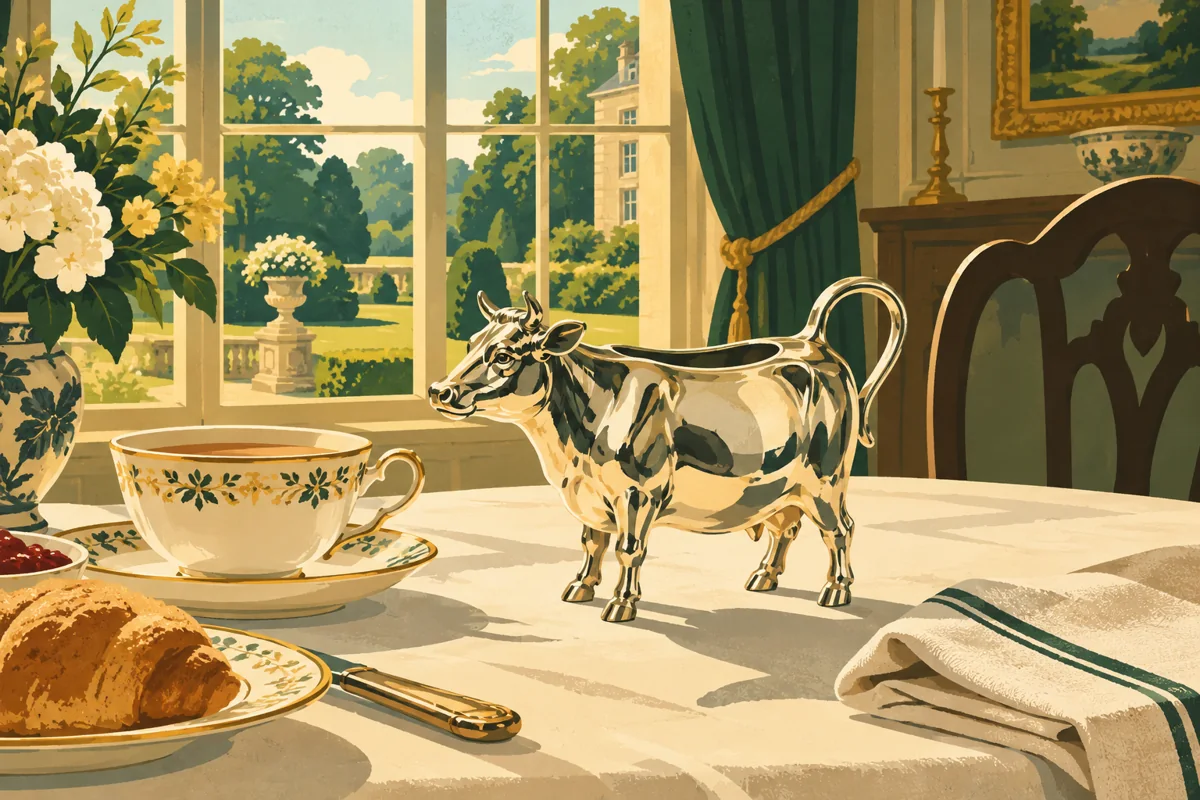
If you are returning after a long absence and want a compact reintroduction, the cow-creamer pair at the beginning of series two is our alternative. Keep the pair together. It is a good example of how a modest errand becomes difficult because several people want incompatible things. For readers particularly interested in New York, the first half of series three offers another coherent route. These are recommendations about the experience of watching, not claims that one run has an objectively measurable superiority or a universally agreed ranking.
Short stories, novels and composite episodes
There are three useful patterns in the source tables. Some episodes draw their principal situation from one novel. Others share a novel with a neighbouring instalment. A third group combines two or more shorter works. Those categories tell you what sort of reading comparison to expect. A single-source listing does not promise every detail is unchanged, and a composite listing does not mean its ingredients have simply been placed end to end without alteration. It records the literary starting points that can be established from the adaptation references.
This distinction is especially helpful when buying a book after watching. Carry On, Jeeves, Very Good, Jeeves and The Inimitable Jeeves each contribute to several episodes, but none is a printed transcript of one television series. Conversely, one episode can require stories from more than one collection if you want to read all its sources. An omnibus may solve that problem, but only if its actual contents match the works you want. The word “Jeeves” on the cover is not enough to establish which texts are inside.
How faithful is the programme to Wodehouse?
A useful answer separates premise, character, narration and incident. A programme can retain the basic problem and recognisable relationships while changing an object, setting or sequence. The banjolele of Thank You, Jeeves becomes a trombone in Chuffy. Joy in the Morning supplies material for an episode set in New York even though its novel centres on Steeple Bumpleigh. These are verifiable differences, not impressions about whether the atmosphere feels right. The series pages identify particular changes rather than awarding a vague percentage for fidelity.
Narration is a different question. Bertie’s written account is itself part of the comedy: the manner in which he tells you what happened matters alongside the event. Television has performance, editing, movement and music available to suggest relationships between what is said and what is understood. Comparing these resources is an editorial exercise, not a factual claim about what the screenwriter privately intended. A useful discussion asks what each medium makes easy, what it leaves implicit, and when the audience knows more than the person confidently explaining the situation.
Why the source book can still surprise you
Knowing an episode’s ending does not make reading the source pointless. Composite episodes redistribute material, and later adaptations sometimes make substantial changes. Even where the central mechanism is familiar, the experience of moving through a written explanation differs from watching action unfold. Read a complete source first rather than constantly stopping to look for the next television scene. That allows the author’s timing to work and prevents an adaptation memory from becoming a test that every page has to pass.
On a second reading, make the comparison more specific. Identify who introduces the difficulty, who possesses the information needed to solve it, and what has to happen before that information can be used. Then examine the television sequence. A changed location may alter who can meet by chance. A borrowed character may give an existing performer a new role in the machinery. You can describe the consequences of those choices without inventing a production explanation. That is more illuminating than treating every change as either a mistake or an automatic improvement.
A reading route after each series
After series one, choose Right Ho, Jeeves for a novel or Very Good, Jeeves for a collection. After series two, The Code of the Woosters is our preferred next book, with Thank You, Jeeves offering a different test of the partnership. After the New York episodes of series three, Carry On, Jeeves gives several direct connections; The Mating Season is the natural route from Deverill Hall. After series four, Joy in the Morning offers a particularly rewarding comparison because the change of setting makes the novel more than a repetition of a television memory.
These choices are starting points, not compulsory homework. If a supporting character or a particular kind of predicament interests you, follow that interest into the book guides. Short stories can fit a single sitting; a novel gives complications more room to accumulate. An unabridged audiobook preserves the text while adding a narrator’s interpretation. A radio dramatisation or abridged recording makes further changes. Check which format a retailer is offering before using an audio edition as the basis of a detailed comparison with the programme.
Cast changes, context and viewing availability
Use the separate cast guide when a familiar character appears with a new face. The character’s identity does not change merely because the performer does, and one performer can appear in more than one role across the run. Keeping the fictional and production information separate avoids misleading family trees and false continuity problems. The location guide makes a parallel distinction: a property used for filming is not thereby proved to be the inspiration for the fictional house in a book.
Finally, an episode guide is not a promise of current streaming access. The dated where-to-watch page distinguishes an official catalogue listing from a verified UK offer. We do not use unofficial uploads as a substitute for licensed viewing. Some episodes also contain racial caricature, including blackface, which is identified in the relevant notes rather than illustrated here. Those notes let readers understand what is actually in the television adaptation and, where documented, what differs from its source. They support an accurate choice about watching and a more precise conversation about adaptation.
All 23 episodes
| Series | Episode | Title | Original ITV date | Sources |
|---|---|---|---|---|
| 1 | 1 | Jeeves’ Arrival | 1990-04-22 | [1] |
| 1 | 2 | Tuppy and the Terrier | 1990-04-29 | [2] |
| 1 | 3 | The Purity of the Turf | 1990-05-06 | [3] |
| 1 | 4 | The Hunger Strike | 1990-05-13 | [4] |
| 1 | 5 | Will Anatole Return to Brinkley Court? | 1990-05-20 | [5] |
| 2 | 1 | Jeeves Saves the Cow-Creamer | 1991-04-14 | [6] |
| 2 | 2 | The Bassetts’ Fancy Dress Ball | 1991-04-21 | [7] |
| 2 | 3 | Pearls Mean Tears | 1991-04-28 | [8] |
| 2 | 4 | Chuffy | 1991-05-05 | [9] |
| 2 | 5 | Kidnapped! | 1991-05-12 | [10] |
| 2 | 6 | Wooster with a Wife | 1991-05-19 | [11] |
| 3 | 1 | Bertie Sets Sail | 1992-03-29 | [12] |
| 3 | 2 | The Full House | 1992-04-05 | [13] |
| 3 | 3 | Introduction on Broadway | 1992-04-12 | [14] |
| 3 | 4 | Right Ho, Jeeves | 1992-04-19 | [15] |
| 3 | 5 | Hot Off the Press | 1992-04-26 | [16] |
| 3 | 6 | Comrade Bingo | 1992-05-03 | [17] |
| 4 | 1 | Return to New York | 1993-05-16 | [18] |
| 4 | 2 | The Once and Future Ex | 1993-05-23 | [19] |
| 4 | 3 | Bridegroom Wanted! | 1993-05-30 | [20] |
| 4 | 4 | The Delayed Arrival | 1993-06-06 | [21] |
| 4 | 5 | Trouble at Totleigh Towers | 1993-06-13 | [22] |
| 4 | 6 | The Ties That Bind | 1993-06-20 | [23] |