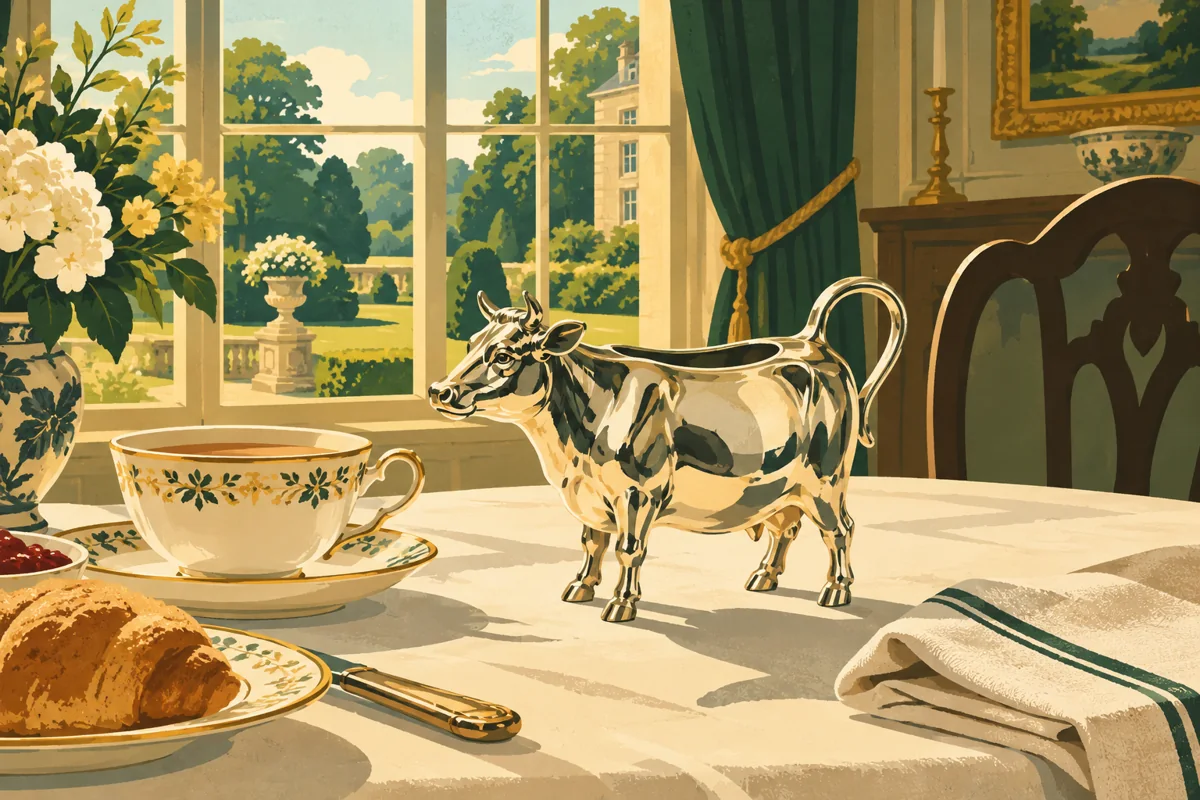
Bertie makes an innocent plan; Jeeves patiently saves the day. Short stories and novels share these people, so the order below follows this library’s book-publication shelf, not the fictional calendar.
The art of being rescued without noticing
Bertie Wooster is a generous young man with a talent for making his friends’ difficulties worse. Jeeves, his valet, sees more of a social situation than Bertie can see, and generally says much less. That unequal perception is the engine of the series, but it would be unfair to call Bertie merely foolish. His loyalty gives the disasters emotional stakes; his language turns the account of them into a performance. Aunts, old school friends and formidable prospective in-laws can all demand a piece of his time. Jeeves’s solution may require a small sacrifice from his employer, which makes the rescue a negotiation as well as a marvel. The books can be read out of order, but watching the partnership develop is its own pleasure.
For a first full-length taste I recommend Right Ho, Jeeves. Brinkley Court gives the ensemble room to collide, and Bertie’s decision to act as strategist creates a magnificent lesson in the value of listening to Jeeves. If short stories feel more inviting, start instead with Carry On, Jeeves. It includes the account of Jeeves entering Bertie’s service, although the collection also revises earlier magazine material. Those two doors suit different moods: one sustained house-party mechanism or a set of shorter misadventures. My Man Jeeves is the first book on this site’s publication shelf, but half its eight stories belong to Reggie Pepper, so it is not the simplest all-Jeeves starting point.
Publication order and fictional time should be kept separate. “Extricating Young Gussie” first introduced Bertie and Jeeves in print in 1915 and later appeared in The Man with Two Left Feet. The early books gather and sometimes revise magazine stories. The Inimitable Jeeves links episodes into a more continuous reading experience; Carry On, Jeeves reuses revised earlier tales and adds others. Very Good, Jeeves gives another run of stories before the full-length novels dominate the shelf. An exact count of Jeeves “books” depends on whether a guide includes cross-collection appearances, later omnibus editions and the Bertie-free Ring for Jeeves. This library lists distinct principal book records while explaining those overlaps on each page.
The novels build larger structures around familiar pressures. Thank You, Jeeves tests a separation between employer and valet. Right Ho, Jeeves keeps Bertie at Brinkley Court with Aunt Dahlia, Gussie, Madeline and Tuppy. The Code of the Woosters moves to Totleigh Towers with Sir Watkyn Bassett and Roderick Spode. Joy in the Morning and The Mating Season bring more complicated country-house visits. Later books revisit old acquaintances without asking a reader to maintain a rigid chronology of every allusion. Wodehouse’s comic world is elastic. A character can seem to have travelled farther through a sequence of social emergencies than any calendar would comfortably allow.
Ring for Jeeves needs its own signpost. Jeeves appears, but Bertie does not: he is only mentioned. The book grew from the Wodehouse and Guy Bolton play Come On, Jeeves and has material differences between British Ring for Jeeves and American The Return of Jeeves, including altered chapter order and the male lead’s name. I keep it on this shelf because a Jeeves reader should know where it fits, while warning anyone who wants Bertie’s narration that it offers another angle. Jeeves and the Feudal Spirit also has the American title Bertie Wooster Sees It Through; Jeeves in the Offing appeared in America as How Right You Are, Jeeves. A change of cover title is not an extra novel.
The company makes the shelf inexhaustible. Aunt Dahlia’s affection and demands often pull Bertie into Brinkley affairs. Aunt Agatha’s authority can make a proposed visit feel like a sentence. Bingo Little, Gussie Fink-Nottle, Madeline Bassett and Tuppy Glossop have their own wants, and those wants rarely align on the same afternoon. Spode and Sir Watkyn bring a different kind of pressure at Totleigh. Jeeves understands what each person values and can use a small fact at exactly the right moment. Bertie, to his credit, will usually go to considerable trouble for a friend even when he has understood the problem incorrectly.
For a suggested route, take Carry On, Jeeves or Right Ho, Jeeves first, then The Code of the Woosters, and follow the longer novels in publication order if the ensemble has won you over. Return to My Man Jeeves and The Inimitable Jeeves for the early development, then Very Good, Jeeves for another compact run. This is an invitation rather than a claim that later plots are unintelligible without homework. If a particular aunt or school friend captures your attention, follow the character links and let that person choose your next volume. The pages distinguish original collections from later omnibus arrangements, a useful guard against accidentally buying the same stories twice.
Screen and radio versions provide a parallel pleasure without replacing the books. The Wodehouse Society records the 1990–93 Jeeves and Wooster television series; Stephen Fry and Hugh Laurie play the pair. Productions combine and reshape incidents, so a television episode does not necessarily cover precisely one novel from first page to last. The printed dialogue and Bertie’s narration are reasons to return to the text after seeing the cast. For an audiobook, check the exact narrator and whether a listing is an unabridged reading or a dramatisation; this guide does not infer those details from a shared title. Let the books speak first, then enjoy the different timing a performer brings.
Where to begin
Right Ho, Jeeves or Carry On, Jeeves: choose a longer narrative or a shorter entrance according to your mood. The original book details and regional titles are on each guide.
Suggested reading route
 Carry On, Jeeves1925
 — A compact story doorway that includes Jeeves entering Bertie’s service.
 Right Ho, Jeeves1934 — Bertie tries to manage romance and a school prize-giving at Brinkley.
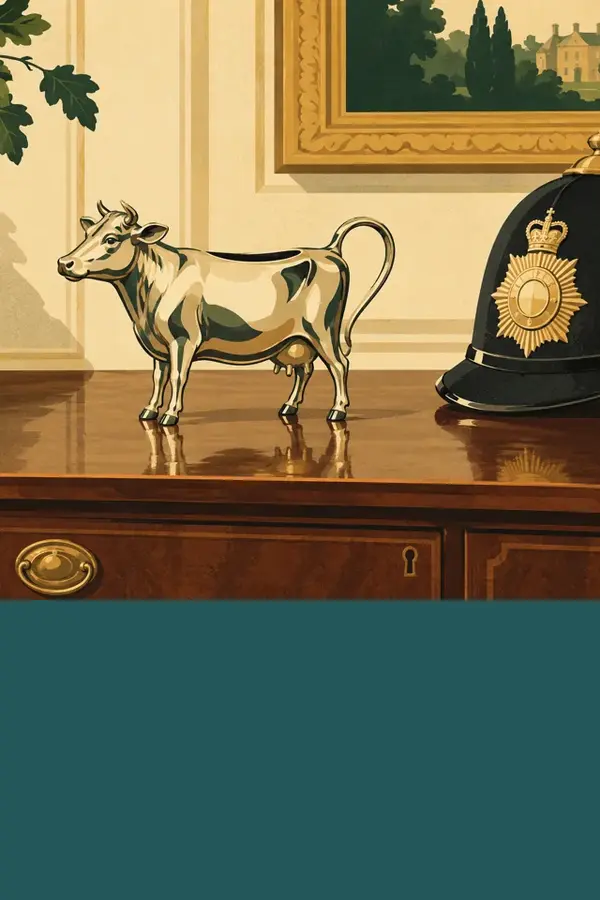 The Code of the Woosters1938 — A cow-creamer and notebook make Totleigh Towers perilous.
 Joy in the Morning1947 — A countryside visit becomes an increasingly tangled service to friends.
 The Mating Season1949 — Disguises and mistaken identities gather at Deverill Hall.
 My Man Jeeves1919 — Four Jeeves stories share this early volume with four Reggie Pepper pieces.
 The Inimitable Jeeves1923 — Linked early episodes let Bertie’s social mistakes gather momentum.
 Very Good, Jeeves1930 — Eleven more short predicaments before the novel sequence takes over.
Publication-order book guides
- My Man Jeeves1919 (1919) — Four Jeeves stories share this early volume with four Reggie Pepper pieces.
- The Inimitable Jeeves1923 (1923) — Linked early episodes let Bertie’s social mistakes gather momentum.
- Carry On, Jeeves1925 (1925) — A compact story doorway that includes Jeeves entering Bertie’s service.
- Very Good, Jeeves1930 (1930) — Eleven more short predicaments before the novel sequence takes over.
 Thank You, Jeeves1934 (1934) — An employer-valet separation puts both men’s habits to the test.
- Right Ho, Jeeves1934 (1934) — Bertie tries to manage romance and a school prize-giving at Brinkley.
- The Code of the Woosters1938 (1938) — A cow-creamer and notebook make Totleigh Towers perilous.
- Joy in the Morning1947 (1947) — A countryside visit becomes an increasingly tangled service to friends.
- The Mating Season1949 (1949) — Disguises and mistaken identities gather at Deverill Hall.
 Ring for Jeeves1953 (1953) — Jeeves helps another gentleman while Bertie remains offstage.
 Jeeves and the Feudal Spirit1954 (1954) — Aunt Dahlia’s magazine and a necklace involve Bertie in fresh trouble.
 Jeeves in the Offing1960 (1960) — An old school connection and a country-house visit revive familiar pressures.
 Stiff Upper Lip, Jeeves1963 (1963) — Bertie returns to Totleigh and the hazards of Spode and Sir Watkyn.
 Much Obliged, Jeeves1971 (1971) — The Junior Ganymede club book becomes a matter of concern.
 Aunts Aren't Gentlemen1974 (1974) — A country visit takes Bertie and Jeeves into Aunt Dahlia’s orbit again.
People to meet
- Jeeves — The still centre of the storm
- Bertie Wooster — The warm heart in the soup
- Aunt Dahlia — The good and deserving aunt—usually
- Aunt Agatha — The aunt who eats broken bottles
- Gussie Fink-Nottle — Newts, nerves and unwise speeches
- Madeline Bassett — Stars, rabbits and perilous sympathy
- Tuppy Glossop — A loyal friend with a short fuse
- Sir Roderick Spode — The looming amateur dictator
On screen and radio
The Wodehouse Society records the Jeeves and Wooster television series (1990–93). Hugh Laurie played Bertie and Stephen Fry played Jeeves. Episodes adapt and combine book incidents; use the individual book guide for a verified text-to-screen trail. Wodehouse Society adaptation records.
Recorded crossovers
Consult individual book records for story-level crossings and later anthologies.