
Jeeves and Wooster TV Series (1990–1993)
A sourced guide to the ITV adaptation starring Stephen Fry and Hugh Laurie, with routes from the screen to Wodehouse’s books.
Jeeves and Wooster: the ITV series
Jeeves and Wooster is the ITV comedy series starring Stephen Fry as Jeeves and Hugh Laurie as Bertie Wooster. Its four series, broadcast from 22 April 1990 to 20 June 1993, contain 23 episodes. Clive Exton adapted P. G. Wodehouse’s fiction for television. For a viewer arriving from a clip, a repeat or a remembered DVD, the useful starting point is that this is a particular adaptation of a much larger body of writing. It is not a filmed reading of one book, and its television series numbers do not correspond to volumes in a numbered literary saga.
This guide connects the programme to the books behind it. Use the cast guide to untangle the recasting of aunts and friends, the four episode lists to identify a remembered adventure, and the reading suggestions below to choose a first Wodehouse. The episode tables distinguish a novel used over several instalments from a television story assembled out of several shorter works. That distinction matters when a familiar scene seems to have disappeared from the book you have just bought.
Stephen Fry, Hugh Laurie and the central partnership
The pairing of Fry and Laurie supplies the series with a stable centre even when the supporting faces change. Jeeves is Bertie’s valet: he looks after an individual employer rather than occupying the household position normally implied by “butler”. Bertie has money, leisure and an impressive capacity to become involved in someone else’s problem. Jeeves has the judgment that Bertie believes he possesses. Watching them negotiate a tie, an engagement or a country-house invitation is often as entertaining as the eventual solution.
As a way into the books, concentrate on their differences rather than treating either man as a simple type. Bertie’s willingness to help can be generous even when his proposed method is hopeless. Jeeves’s reserve can hide a very definite personal preference. The comedy becomes richer when a rescue also settles a disagreement between them. Reading adds another pleasure: the distance between Bertie’s confident account of his own conduct and what a reader can infer from it. A performance must express that distance through timing, movement and response; prose can make it part of every sentence.
When is Jeeves and Wooster set?
The television world is broadly interwar, between the late 1920s and the 1930s, rather than consistently dated to one named year. Its stories move between Britain and the United States. Anne Dudley describes the musical intention as transporting viewers into the world of 1930. That is a useful description of the atmosphere, not evidence that every episode takes place in that calendar year. The novels and stories were written across a much longer span, and the adaptation brings material from different periods into one recognisable visual setting.
It is therefore unhelpful to calculate the characters’ ages by adding the years between the publication dates of the source books. Treat the setting as the programme’s chosen comic environment. Country houses, clubs, apartments, trains and ocean travel provide different kinds of confinement: Bertie can travel a long way without finding freedom from an aunt or a misunderstanding. The period setting also changes how a predicament works. An inconvenient visitor who arrives in person cannot be dismissed as easily as an unread message, and a missing letter or manuscript can become a substantial physical problem.
How faithful is the television adaptation?
Faithfulness has several meanings here. Keeping the names, dialogue and main comic machinery is different from preserving the exact membership of a scene, the location of an incident or the sequence of a novel. The documented episode sources show that Exton frequently combined material. The opening instalment joins the arrival of Jeeves to material associated with Honoria Glossop and her father. Other episodes draw on two, three or four stories. A viewer looking for an exact television plot in a single collection can therefore be looking for a book that never existed.
A productive comparison asks what a change accomplishes. Combining stories can give a recurring television character something to do while one plot is temporarily waiting for its next complication. Moving a scene can keep a recognisable group together. These are editorial ways of reading the adaptation, not claims about the production team’s undocumented intentions. The books retain their own arrangements and rhythms. Neither a source list nor a familiar title should be taken as a promise that every incident on screen appears in the printed work in the same form.
One particularly useful warning concerns the series-three episode called Right Ho, Jeeves in some listings. Its principal source is The Mating Season, not the novel Right Ho, Jeeves. The actual Right Ho, Jeeves novel supplies the last two episodes of series one. This is why the episode guides give the series and episode number alongside the DVD title. Alternative television titles can help identify an episode, but they are not a reliable substitute for a source reference.
The theme music and what it adds
Anne Dudley composed the theme and scored all 23 episodes. Her own account explains that Bertie’s theme is in a minor key and was varied to suit different situations. She also describes adding a saxophone quartet for the American episodes and writing songs for the spoof Broadway musical Ask Dad. The soundtrack is thus part of the adaptation’s design, rather than simply a period record placed over the opening credits. Dudley’s official website is the best starting point for her account of the work.
For a viewer coming to the books, it is worth noticing how much music can tell you before anybody speaks. A brisk opening can make an impending disaster feel inviting. A change of instrumental colour can distinguish a city adventure from a country morning. On the page, Wodehouse has to produce pace and expectation with the placement of words and information. Listening to the programme and then reading a chapter makes that contrast unusually clear. You do not have to decide that one medium is better to enjoy seeing how each carries the same essential comic promise: the present confusion will somehow become a satisfying pattern.
Which book should you read first after the show?
For a first novel, choose Right Ho, Jeeves. It offers a concentrated country-house arrangement and a good opportunity to compare the printed work with the end of the first television series. The important reading pleasure is not merely recognising events. Let Bertie’s narration establish its own tempo, and notice how a well-meant intervention creates the need for the next intervention. A novel gives these consequences room to accumulate. If you want a single purchase that will test whether the literary voice suits you, this is our editorial first choice.
For a first collection, choose Carry On, Jeeves. It contains Jeeves Takes Charge and several stories used elsewhere in the television run. Short fiction is a helpful option if you prefer to read one complete comic problem at a time. You can begin with the story of Jeeves’s arrival, then compare other pieces with the episode source lists. Do not assume that the order in which television uses material is the order in which you should read the collection. The book already supplies a manageable sequence, and reading it normally avoids turning pleasure into a checklist.
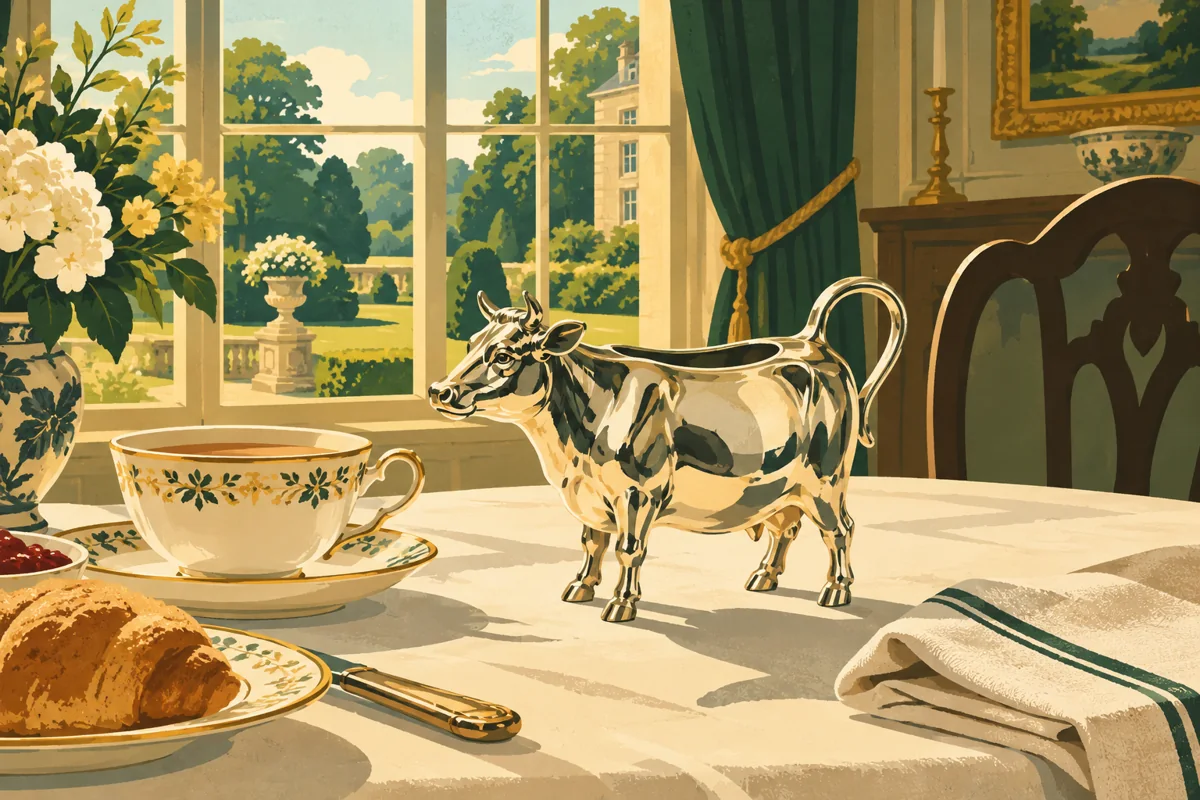
If the silver cow-creamer and Totleigh Towers are what you remember, choose The Code of the Woosters. It supplies the opening pair of episodes in series two and is our next recommendation after Right Ho, Jeeves. The Inimitable Jeeves is another good route for readers who particularly enjoy Bingo Little’s romantic emergencies. Its connected stories contribute material throughout the programme. Very Good, Jeeves offers further short adventures without requiring a commitment to a long continuous novel. The book pages explain format and reading context; their Waterstones and Audible links let you compare the available editions.
A viewing and reading route that avoids confusion
Start with the television programme in its original British series order if you want to follow the adaptation as a whole. There are five episodes in series one and six in each remaining series. Our tables use the original British transmission dates, not an American repeat schedule or the date of a later disc release. They also identify the source collection for a short story so that a title search does not leave you with an isolated name and no way to find it in print.
Then choose one source book and read it through before making detailed comparisons. Constantly stopping to check whether a scene matches a television memory can obscure the comic timing of both versions. A second pass is the better moment for detective work. Mark the point at which characters are combined, the order in which a misunderstanding grows, and whether the resolution depends on information that the television version has already shown you. These questions make adaptation comparisons more useful than a list of things the programme “got wrong”.
Keep the distinction between British and American book titles in mind as well. A retailer may use a regional title or sell an omnibus containing several works. Our book guides and UK and US title guide help identify the text rather than relying on a cover image. An audio adaptation, an abridged reading and an unabridged audiobook are different products; inspect the narrator, description and running time before choosing. A familiar performer’s name does not by itself tell you which format you are buying.
Cast, locations and current viewing information
The linked cast page records the main and recurring characters by series, including the different actresses who played Aunt Dahlia. Recasting is a production fact, not a change in a character’s identity inside the fictional world. The location guide follows the same principle of precision: a real house used for filming is not automatically the literary inspiration for the fictional house. A confirmed filming credit supports a screen connection; it does not establish every room, garden or exterior that appeared in an episode.
Streaming availability needs a different kind of checking because licences change. Our where-to-watch page is dated and separates a confirmed provider listing from an actual offer to play the programme in the UK. An old search result or an overseas store page is not enough to promise access. The same care applies to DVDs: check the region, number of episodes and condition of the copy rather than assuming that every “complete” listing describes the same edition. We do not link to unofficial episode uploads. This hub is intended to lead to authorised viewing and, above all, to the books that remain available after a streaming window closes.