The Earl of Ickenham is a splendidly dangerous ally to a young lover. This shelf follows his principal book route and flags his visit to Blandings.
Lord Ickenham has come to improve matters
Lord Ickenham is the sort of uncle who makes a young man glad to see him and then very nervous about what he will do next. Frederick Altamont Cornwallis Twistleton, the fifth Earl of Ickenham, treats other people’s difficulties as an invitation to exercise imagination. His nephew Pongo Twistleton-Twistleton often has the unenviable position of watching an intervention gather speed. The novels on this shelf show a benevolent mischief-maker working through disguises, mistaken assumptions and a remarkable willingness to improvise. A reader need not agree that all of Uncle Fred’s methods are prudent to enjoy his loyalty to lovers and his refusal to let an officious guardian have the last word.
Uncle Fred in the Springtime is the best full-length introduction. Ickenham arrives at Blandings Castle as a supposed psychiatrist, where Lord Emsworth, the Duke of Dunstable and several young people have problems that the visitor is delighted to solve. It is a Blandings crossover and belongs in both reading maps, though this library gives it a single primary book page on Uncle Fred’s shelf. His earlier short-story appearance in Uncle Fred Flits By, collected in Young Men in Spats, offers a shorter encounter. Start there if a compact sample appeals; begin with the 1939 novel if you want the whole country-house mechanism.
Uncle Dynamite removes him from Blandings and sends him to Ashenden Manor. A compromising bust and the hopes of young lovers become material for another rescue campaign. The new house gives the character room to demonstrate that his comic engine is portable: he does not need Emsworth or the Empress of Blandings to start changing the social weather. Pongo’s anxieties and the collision between public dignity and private motives supply the tension. Do not take the title as a sign of physical danger; it describes the explosive effect of Ickenham’s activity on a settled household.
Cocktail Time begins with a Brazil nut and a hat. An apparently small act sets a book and its authorship in motion, then leads Uncle Fred into a tangle of literary reputation, family interest and romantic manoeuvre. It can be read as an independent comedy, but knowledge of the earlier novels makes his certainty about improving other lives still funnier. Its 1958 British and American book dates are recorded in Terry Mordue’s bibliography. The title refers to the novel within the novel as well as to a Wodehouse book, an extra layer that makes it particularly pleasurable for someone following Wodehouse’s own writing life.
Service with a Smile brings Ickenham back to Blandings. Its date requires a regional distinction: the American book appeared in 1961, the British book in 1962. A catalogue that gives only one year without saying which edition it means can mislead. This library’s main shelf labels the British edition date, while the individual guide explains the American precedence. Lady Constance, Lord Emsworth and the castle’s other parties again find that their plans must account for Uncle Fred. It is a good later stop after Uncle Fred in the Springtime if the castle itself has become a favourite setting.
The publication route is the four novels as this shelf displays them: Uncle Fred in the Springtime, Uncle Dynamite, Cocktail Time and Service with a Smile, with the earlier short story as a prologue. My suggested route keeps that order for the first two, visits the shorter Uncle Fred Flits By if it was missed, then takes Cocktail Time before the Blandings return. A strict fictional timeline is less useful than recognising what sort of trouble each book creates. The first and last are castle crossings; the middle pair let Ickenham demonstrate his style elsewhere.
Lord Ickenham’s kindness does not make him a simple guardian angel. He likes a role, relishes a scheme and frequently tells an improving story with a straight face. Pongo supplies a measure of how bewildering these operations would be from within. At Blandings, Emsworth’s desire for quiet provides another counterpoint to the visitor’s boundless initiative. Those relationships keep the books from becoming four repeats of one trick. A young couple may need a nudge, but Ickenham’s nudge tends to turn the entire social arrangement before it stops.
Adaptations should be attached to a particular work. The Wodehouse Society’s screen record lists Uncle Fred Flits By in American television productions of 1953 and 1955. That is the short story, not evidence that all four novels were filmed. The individual book pages avoid assigning casts to novels without a source. A modern audiobook can also package more than one work or abridge a text; check the named narrator, duration and contents in its product listing. The physical-book guide identifies a retailer product only when its title and edition can be matched, and currently makes no claim about permanent price or stock.
Uncle Fred rewards a reader who likes the moment a polite social arrangement becomes a performance. My suggestion is to notice how Pongo’s reluctance supplies the counterweight to his uncle’s freedom. The apparent ease of improvisation depends on another person seeing the embarrassment ahead; that small difference in outlook gives the pair a rhythm of their own.
Where to begin
Uncle Fred in the Springtime: choose a longer narrative or a shorter entrance according to your mood. The original book details and regional titles are on each guide.
Suggested reading route
 Uncle Fred in the Springtime1939
 — A supposed psychiatrist arrives at Blandings and disturbs every plan.
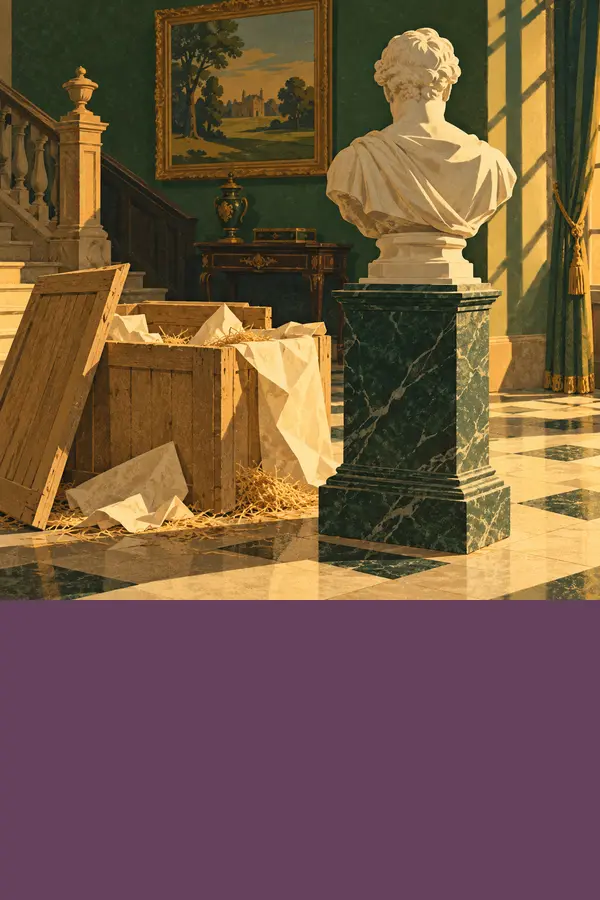 Uncle Dynamite1948 — An embarrassing bust leads to schemes at Ashenden Manor.
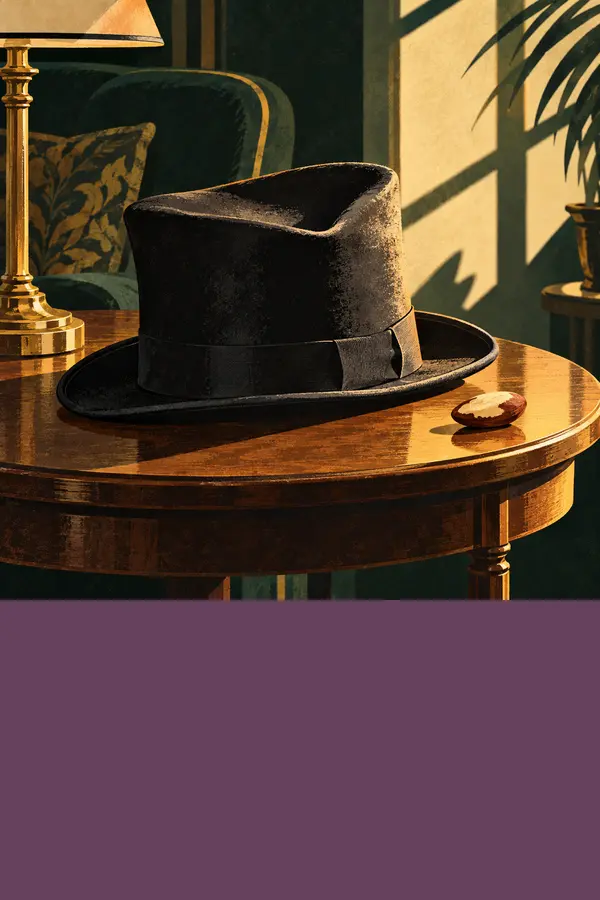 Cocktail Time1958 — A Brazil nut begins a literary and romantic entanglement.
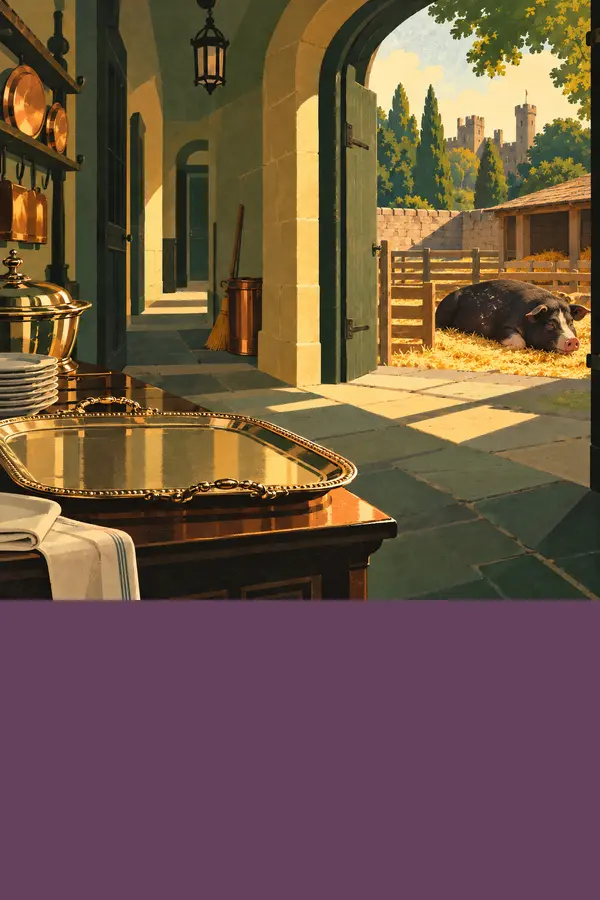 Service with a Smile1962 — Uncle Fred returns to Blandings, to Lady Constance’s dismay.
Publication-order book guides
- Uncle Fred in the Springtime1939 (1939) — A supposed psychiatrist arrives at Blandings and disturbs every plan.
- Uncle Dynamite1948 (1948) — An embarrassing bust leads to schemes at Ashenden Manor.
- Cocktail Time1958 (1958) — A Brazil nut begins a literary and romantic entanglement.
- Service with a Smile1962 (1962) — Uncle Fred returns to Blandings, to Lady Constance’s dismay.
People to meet
- Uncle Fred — The Earl of Ickenham takes the air
- Pongo Twistleton — The nephew drafted into the tornado
- Lord Emsworth — The absent-minded heart of Blandings
- Lady Constance Keeble — Blandings must be managed
On screen and radio
The Wodehouse Society records American television versions of the short story Uncle Fred Flits By in 1953 and 1955; this is distinct from an adaptation of any of the four novels. Wodehouse Society adaptation records.
Recorded crossovers
Consult individual book records for story-level crossings and later anthologies.